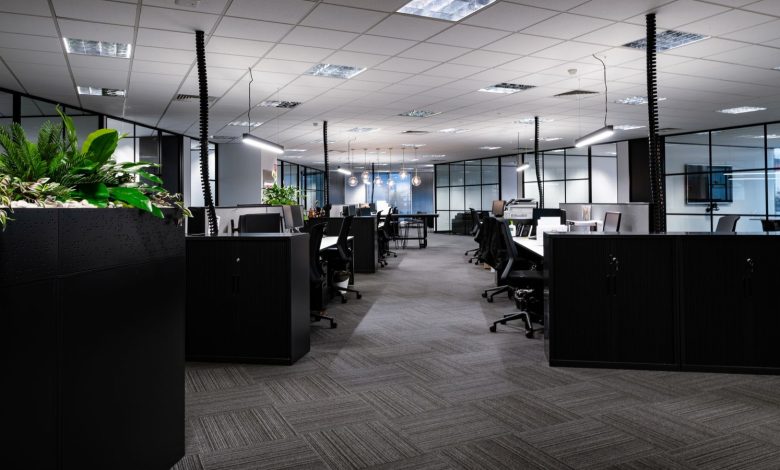
Creating a workspace that truly works for your business doesn’t require breaking the bank. Smart Australian companies are discovering that strategic fitout choices can transform their operations, boost productivity, and attract top talent without enormous capital expenditure. The secret lies in understanding which elements deliver the greatest return on investment.
Modern businesses face unique challenges in balancing budget constraints with the need for functional, appealing workspaces. From startups in bustling CBD areas to established firms in suburban locations, office fitouts Melbourne businesses are implementing prove that smart design decisions can maximise every square metre. This approach focuses on practical solutions that enhance both employee satisfaction and operational efficiency.
The most successful fitouts prioritise flexibility and functionality over flashy features. Rather than investing in expensive designer furniture or elaborate architectural features, forward-thinking companies concentrate on creating spaces that adapt to changing business needs. This strategy proves particularly valuable in today’s dynamic business environment where remote work, hybrid schedules, and collaborative projects demand versatile workspace solutions.
Cost-Effective Design Strategies That Work
Successful fitouts begin with careful space planning. Analysing how your team actually works reveals opportunities to optimise layout without expensive structural changes. Open-plan areas combined with strategically placed private spaces can accommodate various work styles while maintaining cost efficiency. Working with specialists from Complete Office Fitouts (or similar companies) can help ensure these layouts are designed and executed in a way that balances functionality with budget considerations.
Smart storage solutions represent another area where modest investments yield significant returns. Custom-built shelving, under-desk storage, and multipurpose furniture eliminate clutter while maintaining professional appearances. These elements cost substantially less than premium furnishings yet create organised, productive environments.
Technology integration deserves special attention in budget-conscious fitouts. Rather than installing elaborate systems, focus on essential connectivity infrastructure. Adequate power outlets, reliable internet access, and flexible cable management systems support modern work requirements without excessive costs.
Sustainable Choices for Long-Term Value
Australian businesses increasingly recognise that sustainable fitout choices reduce both environmental impact and ongoing operational costs. Energy-efficient lighting, natural ventilation systems, and locally-sourced materials offer immediate savings while supporting long-term sustainability goals.
Refurbishing existing furniture and fixtures often proves more economical than purchasing new items. Professional restoration services can transform tired office furniture into attractive, functional pieces at a fraction of replacement costs. This approach supports circular economy principles while maintaining budget discipline.
Implementation Strategies for Maximum Impact
Phased implementation allows businesses to spread costs while minimising operational disruption. Start with high-impact areas such as reception spaces and meeting rooms before addressing general workspace areas. This approach enables companies to evaluate results and adjust strategies based on real-world feedback.
Employee involvement in fitout planning ensures solutions meet actual needs rather than assumptions. Simple surveys and informal consultations reveal preferences for workspace features, helping prioritise investments that genuinely improve daily operations.
Measuring Success Beyond Initial Costs
Effective fitouts generate measurable benefits extending far beyond immediate cost savings. Improved employee retention, enhanced client impressions, and increased productivity represent significant long-term value. Tracking these metrics helps justify fitout investments and guides future workspace decisions.
Regular assessment of workspace utilisation reveals opportunities for ongoing optimisation. Simple adjustments to furniture placement, lighting, or storage arrangements can further enhance functionality without additional expenditure.
The most successful business fitouts combine strategic planning, practical solutions, and careful budget management. By focusing on functionality over aesthetics and prioritising long-term value, Australian businesses can create workspaces that truly support their growth ambitions while maintaining financial responsibility.


