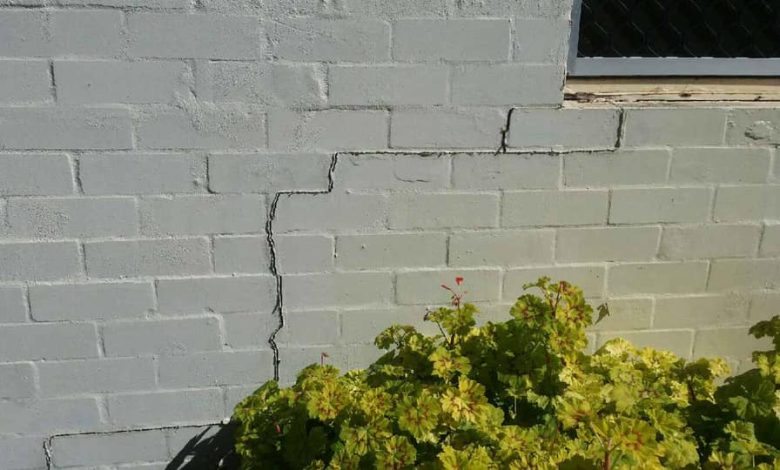
What You See Is Only the Beginning
Water stains, cracked walls, loose tiles and damaged plaster can make a building problem look straightforward. In practice, the visible defect is often only the symptom. A leaking ceiling might originate from failed flashing, damaged roofing, plumbing or waterproofing elsewhere in the building. Cracking could relate to foundation movement, workmanship, moisture or normal material movement. When
the cause is unclear, an experienced building consultant can investigate the wider circumstances rather than focusing only on the visible damage.
Small Problems Can Travel
Buildings are interconnected systems. Water entering through one area can travel through cavities before appearing metres away from the original entry point.
Movement in foundations can create cracking in internal finishes far from the underlying problem. This is why simply repairing the area where damage appears may not provide a lasting solution. Understanding how the building is constructed and how different components interact can be critical when tracing the original source.
Australia Adds Its Own Challenges
Australian buildings are exposed to conditions ranging from tropical cyclones and intense rainfall to bushfires, heat and highly reactive soils. The likely cause of a defect can therefore vary considerably between regions and property types. Coastal buildings may face salt-related deterioration, while properties in areas with reactive soils may experience seasonal movement. An independent building consultant can consider location, construction methods, maintenance history and environmental conditions when investigating a problem.
New Damage or an Older Issue?
Causation becomes particularly important after an insured event. A storm may damage a roof, but an inspection might also identify deterioration that developed over many years. Floodwater may expose weaknesses that existed before the flood occurred. Separating event-related damage from pre-existing conditions is important because the two may require different repair approaches. Detailed photographs, observations and records can help create a clearer timeline and reduce uncertainty between property owners, builders and insurers.
Repairing the Right Problem
Without proper investigation, there is a risk of spending money on repairs that address the symptom rather than the source. Repainting a water-damaged wall will achieve little if moisture continues to enter the building. Replacing cracked finishes may be premature if structural movement is ongoing. A building consultant can help identify likely causes, document the extent of damage and clarify what should be investigated or rectified before cosmetic repairs begin.
Better Information Creates Better Decisions
Building defects are rarely solved by assumptions. The more complex the property or damage, the more important it becomes to establish what happened, why it happened and what needs to change. An evidence-based investigation gives everyone involved a stronger foundation for repair decisions and helps reduce the risk of the same problem returning after the work is finished.


