
An event can have a strong concept, good promotion and a clear audience, yet still struggle if the setting works against it. The physical environment shapes how people arrive, move, gather, pause and remember the experience. A thoughtfully planned event space can give organisers a stronger foundation by connecting the event naturally with the surrounding city, rather than making it feel like a temporary activity dropped into an unsuitable location.
The Setting Influences The Mood Before Anything Begins
People start forming an impression before they reach the main activity. The walk from transport, the visibility of the entrance, the sense of openness, the surrounding buildings and the comfort of the route all affect how prepared they feel to enjoy the event.
A well-chosen setting makes the transition feel easy. Visitors should not have to search awkwardly for the entrance or feel as though they are being pushed through tight, confusing routes. The space should give them time to orientate themselves, notice what is happening and move towards the event without unnecessary friction.
This matters for all types of gatherings, from cultural performances and public talks to outdoor dining events and community celebrations. The better the setting supports arrival, the more relaxed and receptive the audience becomes.
Good Event Spaces Belong To Their Surroundings
A strong event location should not feel disconnected from the area around it. The most memorable urban events often work because they draw energy from nearby streets, cafés, gardens, shops, offices or public transport links.
This connection gives the event a wider sense of place. A food market feels different when it sits beside active public seating and shaded walkways. A music performance feels more inviting when people can gather informally around the edges. A public exhibition gains more impact when passers-by can encounter it naturally, rather than needing to enter a closed-off venue.
Urban events are not always about creating a sealed environment. Often, their strength comes from being visible, accessible and woven into the daily rhythm of the city.
Space Should Encourage Different Levels Of Participation
Not every visitor wants to experience an event in the same way. Some people want to stand close to the action. Others prefer to watch from the edge, sit with friends, move through casually or visit briefly during a lunch break.
Good event spaces allow for these different behaviours. They include focal points, but also softer edges. They create areas for activity, but also places to pause. They support people who arrive with a plan and people who discover the event by chance.
This variety helps events feel more inclusive. A space that only works for the most enthusiastic attendees can feel intense or inaccessible. A space that allows gradual engagement gives more people a reason to stay.
Everyday Comfort Supports Special Occasions
The practical qualities that make a public space pleasant on an ordinary day also make it stronger for events. Shade, seating, lighting, planting, clear routes and safe surfaces all influence how long people stay and how comfortable they feel.
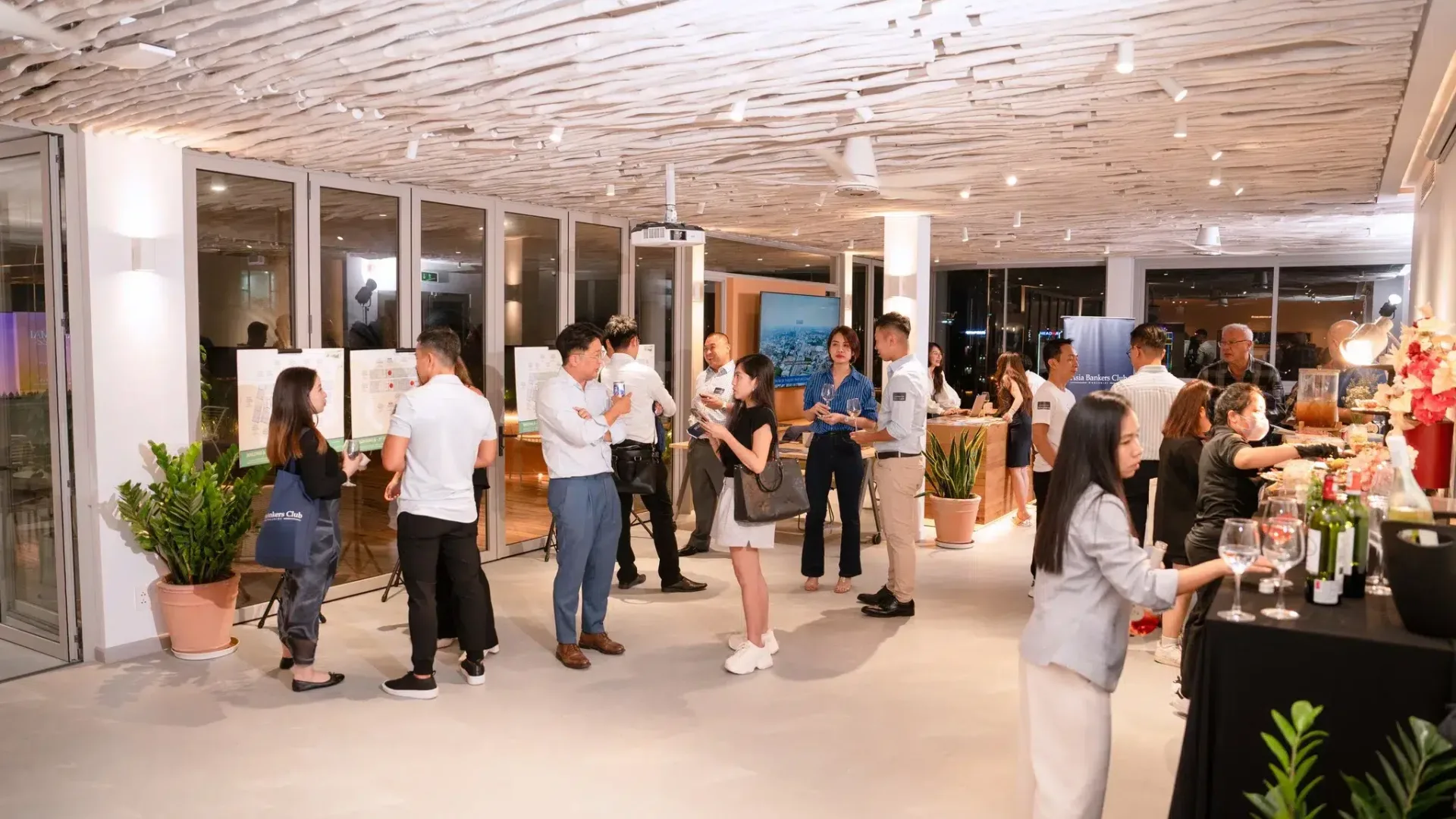
In warm urban climates, comfort can decide whether an event feels enjoyable or tiring. A beautifully planned programme may lose impact if visitors are exposed to heat, glare or overcrowding. Greenery, covered areas and well-positioned resting points can make a significant difference to the overall experience.
Comfort also affects accessibility. Families, older visitors and people with mobility needs may rely on seating, level routes and clear wayfinding more than others. A space that considers these needs can welcome a wider audience without making the event feel overly managed.
Memorable Events Leave A Trace
The strongest city events do more than fill a calendar. They help people associate a place with activity, culture and shared experience. Someone may return later because they remember a performance, a market, an installation or a pleasant evening spent outdoors.
That lasting impression is valuable. It turns public space into part of a city’s social memory. Over time, repeated events can help an area feel familiar, active and worth revisiting.
A good event setting does not need to dominate the occasion. Its success often lies in how quietly it supports everything else. When the space feels connected, comfortable and easy to use, the event itself has more room to make an impact.


